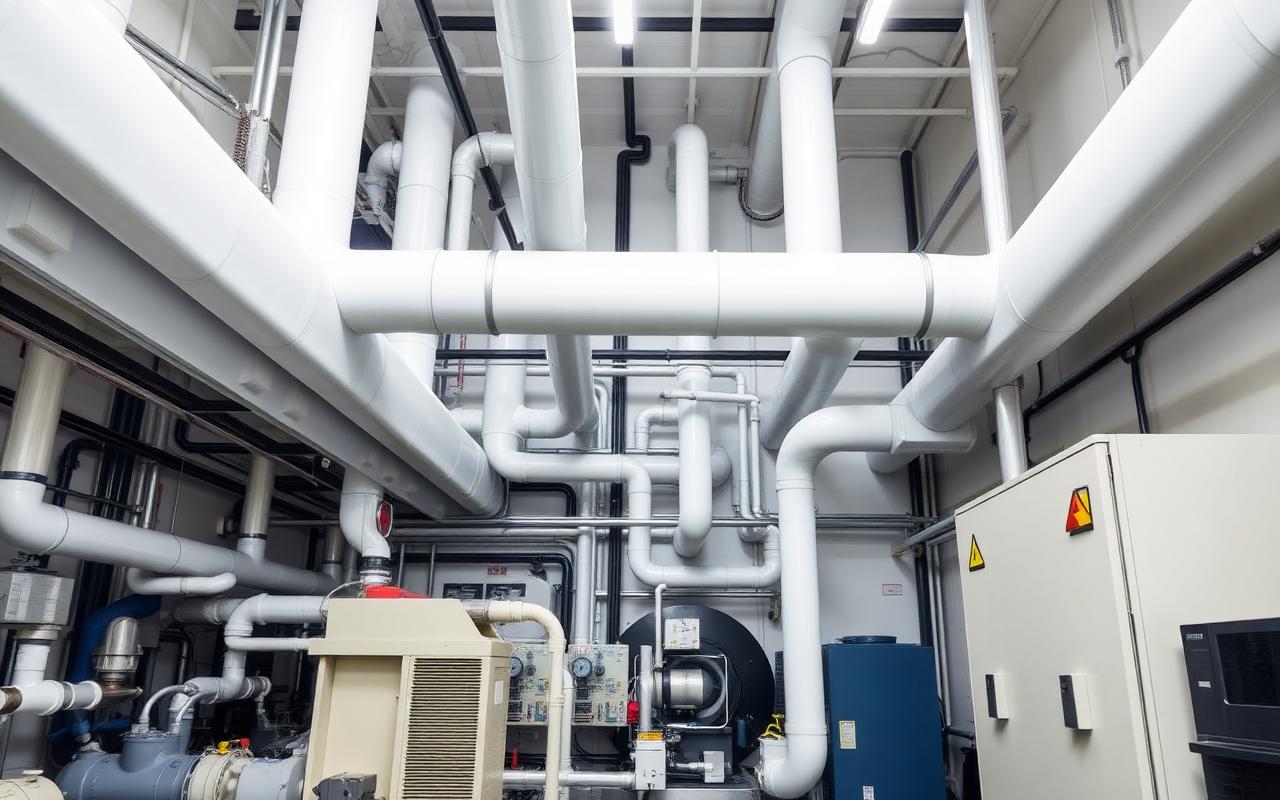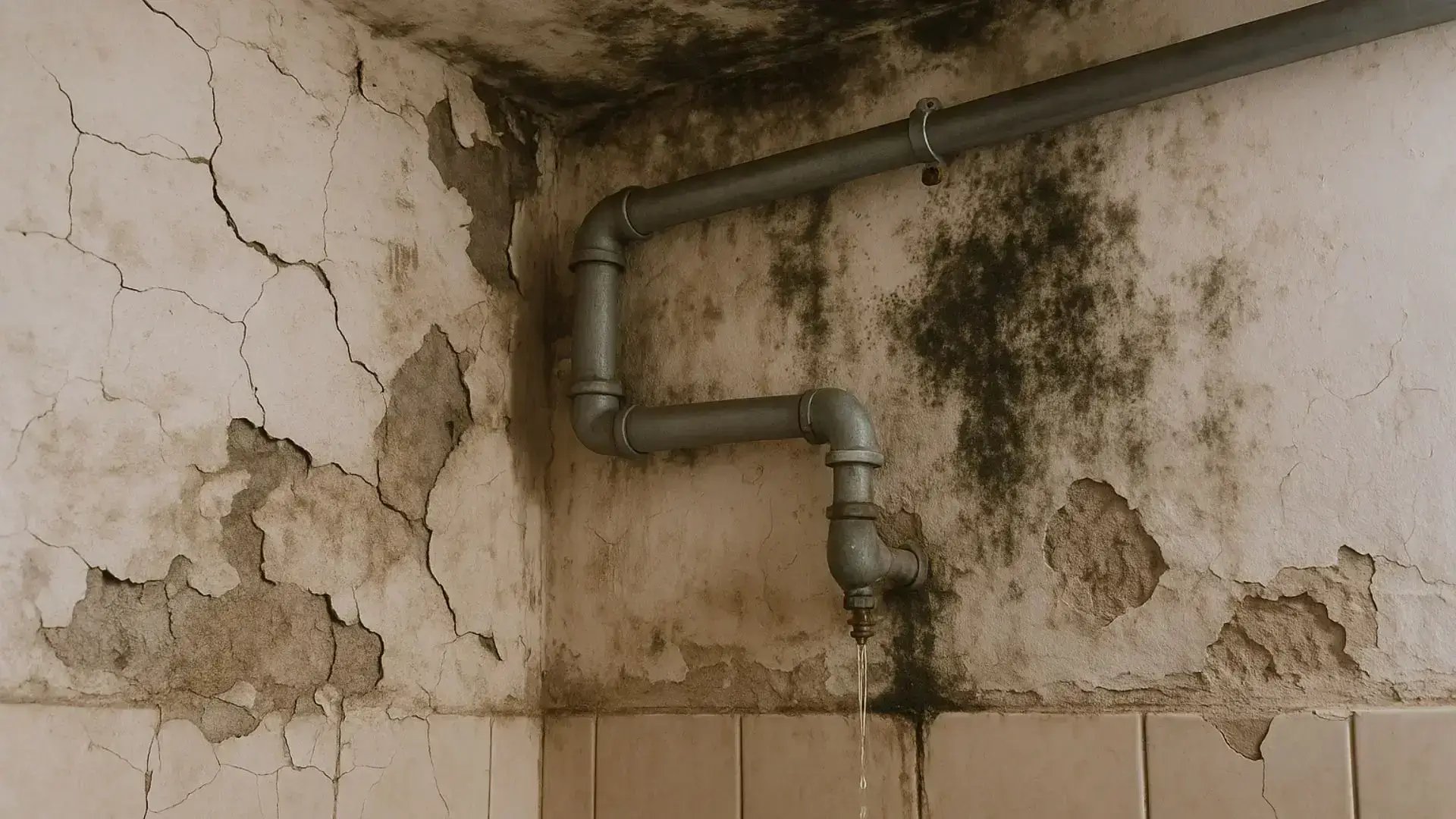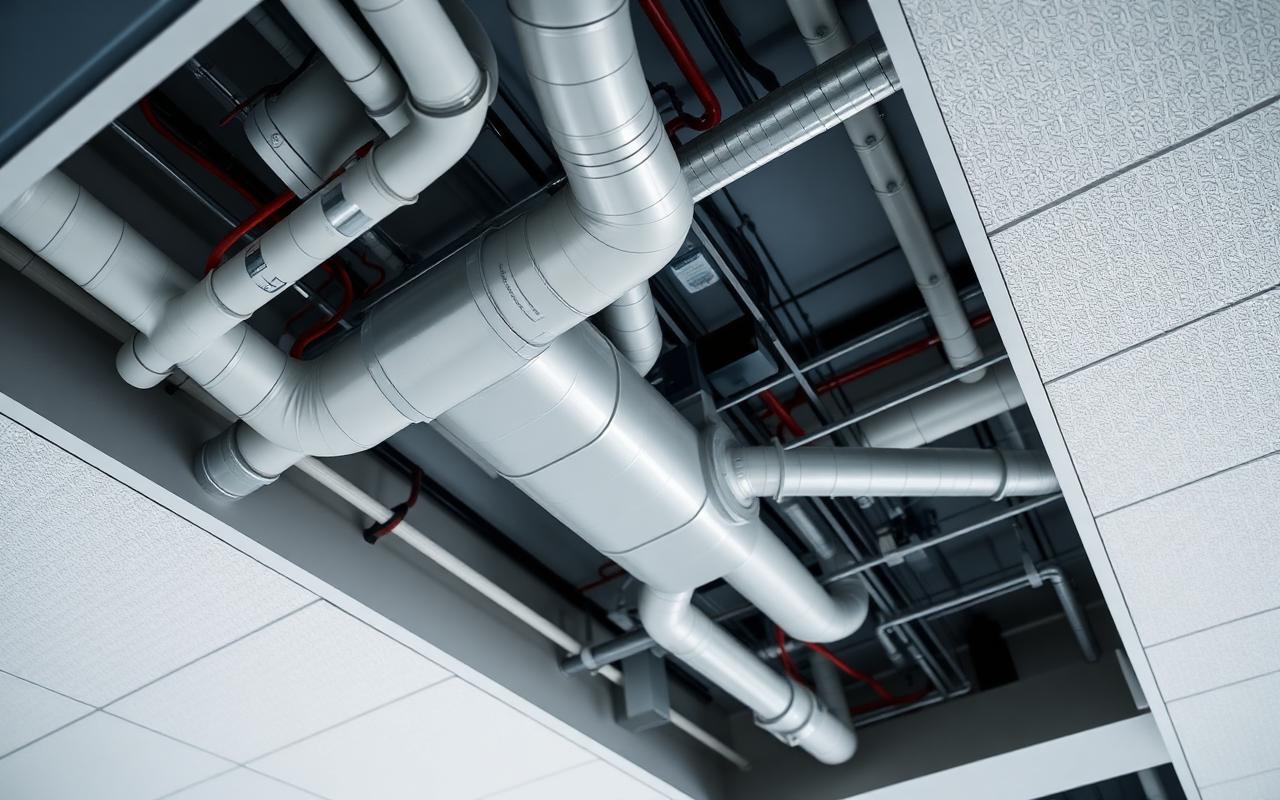
In most modern buildings, a substantial proportion of the construction cost is invisible from the floor. Mechanical, electrical and public-health services — heating, cooling, ventilation, power, drainage and controls — sit above ceilings, behind risers and inside plant rooms. When they fall short, the consequences are rarely as obvious as a cracked finish or a leaking roof, which is precisely why building-services defects are so easily missed and so difficult to value.
Why they hide
A failing services installation seldom announces itself. Plant may be undersized for the load it actually carries; systems may never have been properly balanced or commissioned; controls may be configured to mask, rather than solve, an underlying problem. Often the first signal is indirect — uneven temperatures, rising energy costs, equipment that cycles too often or fails early. By the time the symptom is taken seriously, the trail of evidence that would explain the cause may be cold.
The valuation problem
The harder question is not always "what is wrong?" but "what will it genuinely cost to put right, and who is responsible under the contract?" That requires separating several things that look similar but lead to very different outcomes: genuinely defective workmanship, a shortcoming in the original design, ordinary wear and tear, and a client's expectations that have shifted since the building was handed over. A repair that is somebody's contractual liability and one that is simply the cost of ownership can carry the same price tag and a completely different answer on recovery.
Where the evidence lives
A disciplined quantum assessment looks past the headline repair figure. The specification sets out what was required; the commissioning records show what was actually delivered and tested; contemporaneous records and maintenance history fill in what happened since. Read together, they allow a defensible view of what is defective, what it should cost to remedy, and how that cost ought to fall between the parties. Where those records are thin, the assessment has to work harder — another reason that good record-keeping during construction pays for itself many times over.
The practical takeaway
Building-services defects reward early, evidence-led attention. Acting before a problem compounds keeps remedial options open and costs contained, and a well-substantiated assessment is far more persuasive than an estimate built on assumption. In building services, the real cost is usually the one you cannot see from the floor — and the discipline of proving it is what protects the parties on both sides.
MPG Quantity Surveyors advises on building-services and construction defects, quantum and disputes. This article is general information, not legal or professional advice on any specific matter.